
When winter arrives, many dog owners start wondering if their dogs really need boots. I’ve asked myself the same question every year, especially after seeing icy sidewalks, snow-covered trails, and salty roads.
Dog boots may look cute, but they actually serve a practical purpose for many dogs.
Whether or not your dog needs winter boots depends on factors like weather conditions, your dog’s breed, paw health, and how much time you spend outdoors during cold months.
How Winter Weather Affects a Dog’s Paws
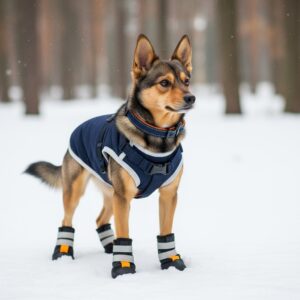
Cold winter conditions can be harsh on a dog’s paws. Snow and ice can stick between paw pads, forming painful ice balls that make walking uncomfortable.
Even worse, frozen ground can dry out paw pads, leading to cracks and soreness.
From my experience, dogs often try to limp or stop suddenly when their paws become too cold, which is a clear sign they’re uncomfortable.
Also check: Can dogs get frostbite? winter dog safety guide
The Danger of Salt and Chemical De-icers
One of the biggest reasons I consider boots essential in winter is road salt and chemical de-icers.
These substances are commonly used on sidewalks and driveways to melt ice, but they can burn a dog’s paw pads and cause irritation.
If dogs lick their paws after walking on treated surfaces, they may also ingest harmful chemicals.
Boots act as a barrier, protecting paws from direct contact with these toxic materials.
Do All Dogs Need Boots in Winter?
Not every dog needs winter boots, but many can benefit from them.
Breeds with thick fur and natural cold tolerance, like Huskies or Malamutes, may handle snow better than short-haired or small breeds.
However, even cold-weather breeds can suffer from salt exposure or extreme cold.
I’ve noticed that puppies, senior dogs, and dogs with sensitive paws often need extra protection the most.
Signs Your Dog Might Need Winter Boots
There are clear signs that your dog could benefit from wearing boots.
If your dog lifts their paws while walking, refuses to move, or constantly licks their feet after being outside, it’s a strong indication their paws are uncomfortable.
Redness, cracking, or bleeding on paw pads are also warning signs. In these cases, boots can make winter walks much more enjoyable and safer.
Benefits of Using Dog Boots in Winter
Dog boots provide more than just warmth.
They offer protection from ice, sharp snow crusts, and hidden debris under the snow.
Boots also improve traction on slippery surfaces, reducing the risk of slips and joint injuries.
I’ve found that dogs wearing boots are often more confident walking on icy ground because they feel stable and protected.
When Dog Boots May Not Be Necessary
There are situations where boots may not be needed.
If you live in a mild winter climate, take short walks, and avoid salted areas, your dog might do fine without them.
Some dogs also strongly dislike boots at first, which can make walks stressful.
In these cases, I focus on limiting outdoor time and caring for paws immediately after walks.
Alternatives to Dog Boots
If your dog absolutely refuses to wear boots, there are alternatives.
Paw balms or waxes can create a protective layer that helps prevent cracking and reduces salt irritation.
Regularly trimming fur between the paw pads can also prevent snow from clumping.
I always wipe my dog’s paws with a warm, damp cloth after winter walks to remove salt and debris.
How to Choose the Right Winter Boots for Your Dog
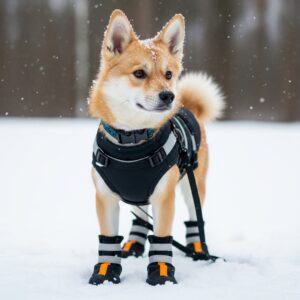
Choosing the right boots makes a big difference.
Look for boots with a snug but comfortable fit, waterproof material, and non-slip soles.
Measuring your dog’s paws correctly is essential to avoid discomfort or boots falling off.
I recommend letting your dog wear the boots indoors first so they can adjust before heading outside.
Tips for Getting Your Dog Used to Boots
Introducing boots gradually helps most dogs accept them.
I usually start by putting boots on for a few minutes at home and rewarding calm behavior with treats. Short practice walks indoors can build confidence.
Over time, most dogs learn that boots mean outdoor fun, and they become much more comfortable wearing them.
So, do dogs need boots in winter? The answer isn’t the same for every dog.
While some dogs can manage without them, many benefit from the added protection, especially in cold, icy, and salted conditions.
From my experience, boots can make winter walks safer, more comfortable, and far more enjoyable for both dogs and their owners.
Paying attention to your dog’s needs and environment is the best way to decide what’s right for them.

