
If hiking is your happy place and you want a dog to join you on the trail, choosing the right breed is very important.
Some dogs are natural hikers and love being outdoors all day, while others get tired quickly or don’t enjoy rough terrain.
In this guide, I’ll explain how to choose the best dog breeds for hiking, using simple criteria and real breed examples to make it easy.

1. Choose a Dog with High Energy and Stamina
Hiking dogs need energy that lasts. Long trails, uphill climbs, and uneven paths require dogs that don’t tire easily.
Best dog breeds for energy and stamina:
-
Border Collie – Extremely energetic and loves long, challenging hikes
-
Australian Shepherd – Built for work and can hike for hours
-
German Shorthaired Pointer – Excellent endurance and always ready to move
-
Labrador Retriever – Strong, steady energy and loves outdoor adventures
These dogs enjoy being active and are happiest when they’re moving with you.
2. Look for the Right Size and Strong Build
A good hiking dog should be well-balanced and strong. Medium to large dogs usually handle trails better than very small dogs or dogs with very short legs.
Best dog breeds for hiking build:
-
Labrador Retriever – Muscular and well-balanced
-
Golden Retriever – Strong legs and great stamina
-
Belgian Malinois – Athletic and powerful
-
Vizsla – Lean, fast, and built for long distances
Avoid dogs that struggle with breathing or joint issues, as hiking can be hard on their bodies.
3. Pick a Dog That Matches Your Climate
Weather matters a lot when hiking. Some dogs handle cold better, while others do well in warm weather.
Best dogs for cold-weather hiking:
-
Siberian Husky – Loves cold temperatures and snow
-
Alaskan Malamute – Strong and built for colder climates
-
Bernese Mountain Dog – Enjoys cool weather and mountain trails
Best dogs for warm-weather hiking:
-
Rhodesian Ridgeback – Handles heat better than many breeds
-
Vizsla – Short coat and heat-tolerant
-
Weimaraner – Performs well in warmer conditions
Always carry water and take breaks, no matter the breed.
4. Choose a Dog That Is Easy to Train
On hiking trails, your dog should listen well and respond to commands. This keeps them safe around wildlife, cliffs, and other hikers.
Best dog breeds for trainability:
-
Border Collie – Very intelligent and quick to learn
-
Labrador Retriever – Eager to please and obedient
-
Australian Shepherd – Focused and responsive
-
Standard Poodle – Smart and easy to train
Well-trained dogs make hiking smoother and more enjoyable.
5. Consider Temperament and Personality
The best hiking dogs are confident, calm, and curious. They shouldn’t panic easily or become aggressive in new places.
Best dog breeds with hiking-friendly personalities:
-
Golden Retriever – Friendly and calm on trails
-
Labrador Retriever – Social and adaptable
-
Vizsla – Loyal and people-focused
-
Australian Shepherd – Alert but controlled
Dogs with balanced personalities handle busy trails and new environments better.
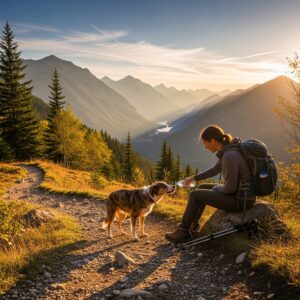
6. Think About Age and Overall Health
Even the best hiking breed needs to be healthy and the right age.
-
Puppies should only go on short walks until fully grown
-
Adult dogs are best for long hikes
-
Senior dogs can still hike, but shorter and easier trails work best
Always check with your vet before starting regular hiking, especially for long or difficult trails.
7. Mixed-Breed Dogs Can Be Amazing Hikers Too
You don’t need a purebred dog to enjoy hiking.
Many mixed-breed dogs have great stamina, strong legs, and adventurous personalities.
Dogs from shelters with herding or working backgrounds often make excellent hiking partners.
What matters most is their energy level, health, and love for the outdoors.
Start Slow and Build Up
Once you’ve chosen your hiking dog, start with short hikes.
Gradually increase distance and difficulty.
This helps build strength, confidence, and good trail habits.
Pay attention to signs of tiredness, and always bring water, snacks, and paw protection if needed.
Also check: 10 Must have products for your dog this winter
Choosing the best dog breed for hiking comes down to energy, build, climate, training, and personality.
When these things match your lifestyle, hiking becomes a fun bonding experience instead of a struggle.
With the right dog by your side, every trail feels more exciting—and every hike becomes a shared adventure.
Frequently Asked Questions (FAQs)
What is the best dog breed for hiking long distances?
Dogs with high energy and stamina are best for long hikes.
Popular choices include Border Collies, Australian Shepherds, German Shorthaired Pointers, and Labrador Retrievers.
These breeds are built for endurance and enjoy staying active for hours.
Are large dogs better for hiking than small dogs?
Not always. Medium to large dogs with strong legs usually handle hiking better, but very large dogs can tire quickly, especially in warm weather.
Some small dogs can hike too, but they may struggle on rough or long trails.
Can puppies go hiking?
Puppies should only go on short, easy walks. Long hikes can damage their growing bones and joints.
Most vets recommend waiting until a dog is fully grown before doing long or difficult hikes.
Are mixed-breed dogs good for hiking?
Yes! Many mixed-breed dogs make excellent hiking companions.
What matters most is their energy level, health, and comfort outdoors—not whether they are purebred.
Which dog breeds are best for hiking in hot weather?
Dogs with short coats and lean bodies usually handle heat better.
Good examples include Vizslas, Rhodesian Ridgebacks, and Weimaraners.
Even heat-tolerant dogs still need plenty of water and rest.
Which dog breeds are best for cold-weather hiking?
Breeds with thick coats are better for cold climates.
Siberian Huskies, Alaskan Malamutes, and Bernese Mountain Dogs are well-suited for snowy or chilly hiking conditions.
How long can a dog hike in one day?
This depends on the dog’s breed, age, fitness, and weather conditions.
Some active adult dogs can hike several hours, while others may need shorter trips.
Always watch for signs of fatigue and take breaks often.
Do dogs need special gear for hiking?
For longer hikes, dogs may benefit from gear like a harness, collapsible water bowl, paw protection, and a dog backpack.
In hot or cold weather, cooling vests or jackets can also help.
How do I train my dog for hiking?
Start with short walks and gradually increase distance.
Teach basic commands like “come,” “stay,” and “leave it.” Practice leash manners and expose your dog to different environments slowly.
Is hiking safe for older dogs?
Older dogs can still enjoy hiking, but trails should be shorter and easier.
Always check with your vet and adjust the hike to match your dog’s comfort and health level.

