
Yes, dogs can get frostbite—and it’s more common than many pet parents realize.
I used to think my dog’s fur was enough protection during winter, but after learning how cold temperatures really affect dogs, I became much more careful.
In this winter dog safety guide, I’ll walk you through what frostbite is, how it happens, which dogs are most at risk, the warning signs to watch for, and how I keep my dog safe when the weather turns freezing.
What Is Frostbite in Dogs?
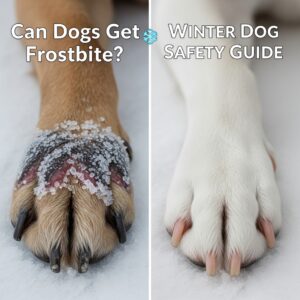
Frostbite happens when a dog’s skin and underlying tissues freeze due to prolonged exposure to very cold temperatures.
When it’s extremely cold, blood flow is reduced as the body tries to keep vital organs warm.
This lack of circulation can cause tissues to freeze and become damaged.
In dogs, frostbite most often affects areas with less fur and poorer blood circulation, such as:
-
Ears
-
Tail
-
Paws and paw pads
-
Nose
-
Belly
I’ve learned that frostbite doesn’t only happen during snowstorms. Even dry, windy, freezing days can put dogs at risk if they’re outside too long.
Can Dogs Really Get Frostbite?
Absolutely. While some dogs tolerate cold better than others, no dog is completely immune.
I was surprised to learn that even cold-weather breeds can develop frostbite if exposed for too long.
Frostbite can occur when:
-
Temperatures drop below freezing (32°F / 0°C)
-
Wind chill makes the air feel much colder
-
Dogs are wet from snow or ice
-
Dogs are left outside without proper shelter
Short outdoor trips are usually safe, but extended exposure is where problems begin.
Dogs Most at Risk of Frostbite
Over time, I realized certain dogs need extra winter protection. Dogs at higher risk include:
Small and Short-Haired Dogs
Breeds with thin coats, like Chihuahuas, Greyhounds, and Dachshunds, lose body heat faster.
Puppies and Senior Dogs
Young and older dogs struggle more to regulate body temperature, making them more vulnerable.
Dogs with Health Conditions
Dogs with arthritis, diabetes, heart disease, or circulation problems are more likely to suffer cold-related injuries.
Dogs Left Outdoors
Dogs kept outside for long periods without insulated shelter face the highest frostbite risk.
Even my dog, who enjoys cold weather, gets limited outdoor time once temperatures drop too low.
Early Signs of Frostbite in Dogs
Knowing the signs early can make a huge difference. When frostbite first starts, symptoms may be subtle. I always check my dog closely after winter walks.
Early signs include:
-
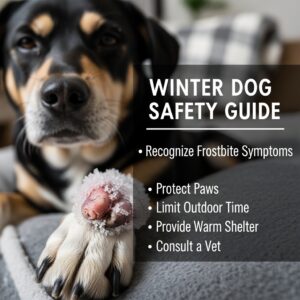
Pale, gray, or bluish skin
-
Cold or hard areas on the skin
-
Swelling of ears, paws, or tail
-
Pain or sensitivity when touched
Your dog may also lift their paws, limp, or seem uncomfortable.
Severe Frostbite Symptoms
If frostbite worsens, the damage can become serious and even permanent. Severe signs include:
-
Blackened or darkened skin
-
Blisters or open sores
-
Skin that turns brittle or cracked
-
Sloughing (dead skin falling off)
At this stage, frostbite is a medical emergency. I would never wait it out—immediate veterinary care is essential.
What to Do If You Suspect Frostbite
If I ever suspect frostbite, I act quickly but carefully.
Here’s what I do:
-
Bring my dog indoors immediately
-
Warm the affected area slowly using lukewarm water (never hot)
-
Do not rub or massage the frozen area—this can cause more damage
-
Dry my dog gently and keep them warm with blankets
-
Contact my vet right away
Never use heating pads, hair dryers, or direct heat, as these can burn damaged skin.
How I Prevent Frostbite in Winter
Prevention is always easier than treatment. Over the years, these steps have helped me keep my dog safe all winter long.
Limit Outdoor Time
On very cold days, I keep walks short and stick to quick potty breaks.
Use Winter Dog Clothing
Dog coats, sweaters, and insulated jackets help retain body heat, especially for small and short-haired dogs.
Protect the Paws
I use dog booties or paw wax to protect against ice, snow, and salt, which can worsen frostbite risk.
Dry My Dog After Every Walk
Wet fur increases heat loss. I always towel-dry my dog’s paws, belly, and ears after being outside.
Never Leave My Dog Outside Unattended
Even with a doghouse, extreme cold can be dangerous. I always bring my dog inside.
Are Some Dog Breeds More Cold-Resistant?
Yes, certain breeds like Huskies, Malamutes, and Saint Bernards are better equipped for cold weather due to thick, double coats. However, I remind myself that cold-resistant doesn’t mean frostbite-proof.
These dogs can still suffer frostbite on ears, tails, and paws if exposed too long or if conditions are harsh.
How Cold Is Too Cold for Dogs?
This depends on size, coat, age, and health, but here’s a general guideline I follow:
-
Below 45°F (7°C): Small and short-haired dogs may feel uncomfortable
-
Below 32°F (0°C): Frostbite risk increases
-
Below 20°F (-6°C): High risk for most dogs
-
Below 0°F (-18°C): Dangerous for all dogs
When in doubt, I err on the side of caution and keep my dog indoors.
Can Frostbite Cause Long-Term Damage?
Unfortunately, yes. Severe frostbite can lead to:
-
Permanent nerve damage
-
Chronic pain or sensitivity
-
Tissue loss or amputation in extreme cases
That’s why early detection and prevention are so important. I’d rather cut a walk short than risk lifelong damage.
Also check: 9 Winter dog care tips for cold weather
So, can dogs get frostbite? Yes—and it’s a serious winter danger that every dog owner should understand.
I’ve learned that being proactive, watching for early signs, and limiting cold exposure goes a long way in keeping my dog safe.
Winter can still be fun for dogs, but safety should always come first.
When I protect my dog from frostbite, I’m giving them a healthier, happier winter—and peace of mind for myself too. 🐾❄️