
Winter weather can make outdoor walks shorter, less frequent, or even unsafe at times.
Cold temperatures, icy sidewalks, and early darkness often mean dogs spend more time indoors than usual.
Even though your dog may be staying inside more, their need for physical exercise and mental stimulation doesn’t go away.
Keeping dogs active indoors during winter is important for their physical health, mental well-being, and overall happiness.
With a little creativity, you can turn your home into a fun and engaging space that keeps your dog moving all season long.
Why Indoor Activity Matters in Winter
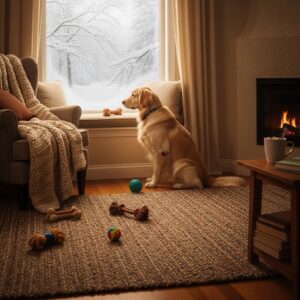
When dogs don’t get enough activity, they can become bored, restless, or even destructive.
Lack of exercise may lead to weight gain, joint stiffness, and behavior issues such as excessive barking or chewing.
Indoor activities help burn off energy, support muscle tone, and keep joints flexible, especially during colder months when movement naturally decreases.
Mental stimulation is just as important as physical exercise, and winter is the perfect time to focus on games and activities that challenge your dog’s brain.
Create a Simple Indoor Exercise Routine
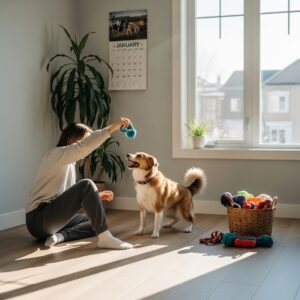
One of the easiest ways to keep dogs active indoors during winter is by creating a daily exercise routine.
Short but consistent play sessions spread throughout the day can be just as effective as one long walk.
Try scheduling two to four indoor activity breaks, each lasting 10–15 minutes.
This helps your dog release energy regularly and prevents long periods of inactivity.
A routine also gives your dog something to look forward to, which can reduce stress and boredom.
Play Interactive Games Like Fetch and Tug
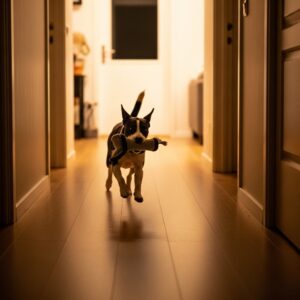
Indoor-friendly games are a great way to keep dogs moving.
Soft toys or foam balls work well for indoor fetch, especially in hallways or open living areas.
Tug-of-war is another excellent option that builds strength and provides an outlet for energy.
Make sure to use sturdy toys designed for tugging and set clear rules so the game stays safe and controlled.
These games may seem simple, but they can provide a surprising amount of physical exercise indoors.
Turn Training Sessions Into Active Play
Winter is an ideal time to refresh basic training or teach new tricks.
Training sessions keep your dog mentally engaged while also encouraging movement.
Practice commands like sit, stay, down, and come, then gradually add movement-based tricks such as spin, roll over, or weaving between your legs.
Short training sessions throughout the day can boost your dog’s confidence, improve focus, and help burn energy in a positive way.
Also check: Best winter supplements for dogs joints
Use Puzzle Toys and Food-Dispensing Games
Mental stimulation is key when learning how to keep dogs active indoors during winter.
Puzzle toys, treat balls, and food-dispensing games encourage problem-solving and keep dogs occupied for longer periods.
These toys slow down eating, reduce boredom, and provide mental exercise that can be just as tiring as physical activity.
Rotating different puzzle toys throughout the week helps keep things interesting and prevents your dog from losing interest.
Set Up an Indoor Obstacle Course
You don’t need a large space to create a fun indoor obstacle course.
Use household items like chairs, cushions, blankets, and boxes to build a simple course your dog can navigate.
Encourage your dog to jump over low obstacles, crawl under tables, or weave around furniture.
This type of activity improves coordination, balance, and confidence while providing a fun challenge.
Always supervise closely and make sure everything is stable and safe.
Encourage Nose Work and Scent Games
Dogs naturally love using their noses, and scent-based games are perfect for indoor winter days.
Hide treats or toys around the house and let your dog sniff them out.
You can start with easy hiding spots and gradually make the game more challenging.
Nose work is mentally exhausting in a good way and can help calm high-energy dogs.
It’s also a great option for older dogs or those with limited mobility.
Incorporate Stair Exercises Safely
If your home has stairs, they can be used as a simple indoor workout tool.
Gently tossing a toy up or down a few steps encourages movement and helps build muscle.
However, stair exercises should always be done carefully, especially for puppies, senior dogs, or breeds prone to joint issues.
Keep sessions short and controlled to avoid overexertion or injury.
Schedule Indoor Playdates
Social interaction is another way to keep dogs active indoors during winter.
If your dog enjoys the company of other dogs, consider inviting a familiar dog friend over for an indoor playdate.
Supervised play allows dogs to burn energy through natural movement and social behavior.
Make sure both dogs are well-matched in size and temperament to keep play safe and enjoyable.
Don’t Forget Calm Activities and Recovery Time
While activity is important, balance is key. After active play, give your dog time to rest and relax.
Chew toys, lick mats, or calming enrichment activities help your dog wind down and recover.
This balance between movement and rest supports healthy muscles and joints and prevents overstimulation.
Keeping dogs active indoors during winter doesn’t have to be complicated or expensive.
With a mix of physical games, mental challenges, and structured routines, you can meet your dog’s needs even when outdoor time is limited.
Indoor activities strengthen your bond, support your dog’s health, and make winter months more enjoyable for both of you.
By staying consistent and creative, you’ll help your dog stay happy, healthy, and active all winter long.

