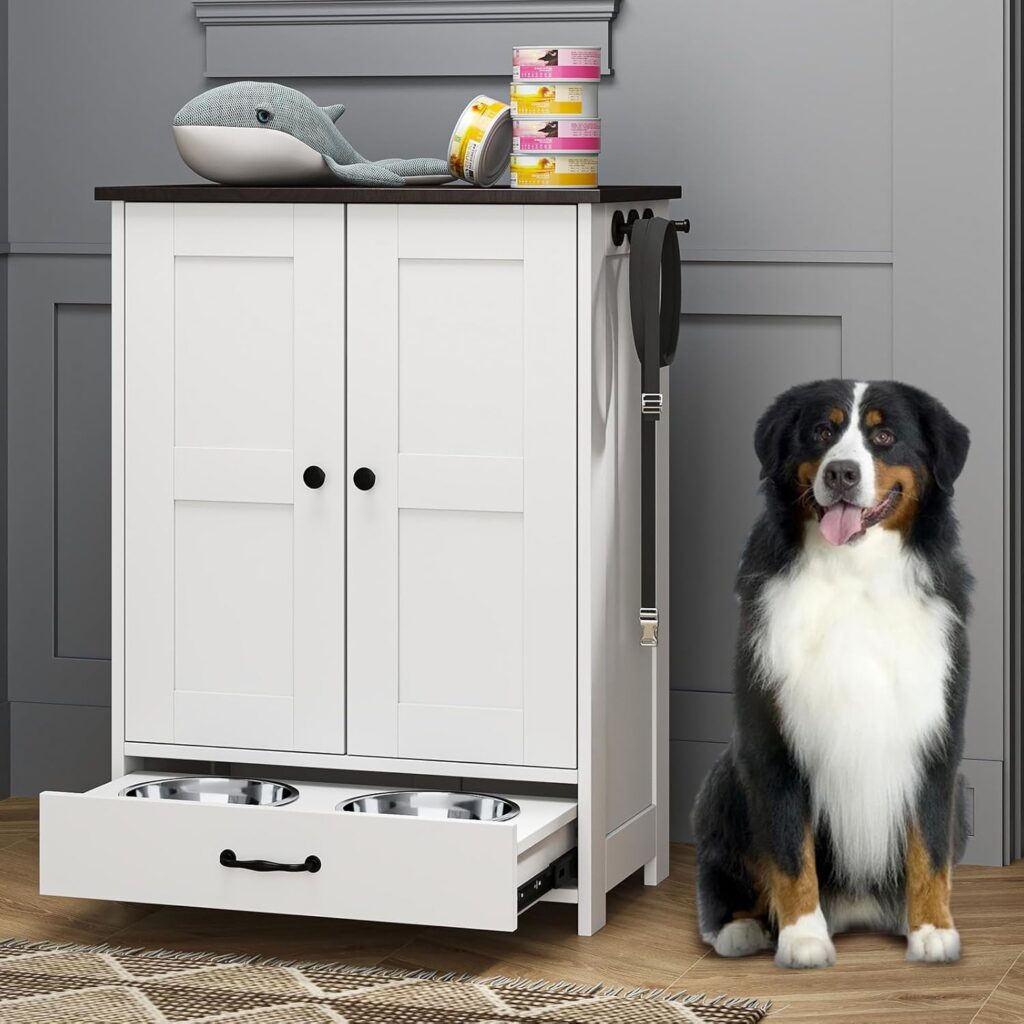
Winter can feel extra long and cold, and just like us, our dogs feel it too.
I’ve learned that keeping dogs warm in winter at home doesn’t mean turning the house into a sauna or buying everything in the pet store.
With a few simple changes, you can keep your dog cozy, comfortable, and happy all season long.
Here’s exactly what I do to help my dog stay warm during cold winter days and nights.
1. Create a Warm Sleeping Spot

One of the easiest ways to keep dogs warm in winter at home is by fixing their sleeping area.
Cold floors can steal body heat fast.
I make sure my dog sleeps:
-
On a raised bed instead of the floor
-
Away from doors and drafty windows
-
With extra blankets or a thick cushion
If your dog loves curling up, soft fleece blankets work great. For older dogs, orthopedic beds help keep joints warm too.
2. Use Blankets (Most Dogs Love Them)

Not all dogs need clothes, but most dogs enjoy a warm blanket.
I keep a few blankets around the house so my dog can snuggle whenever they want.
Some easy ideas:
-
Place a blanket on the couch or dog bed
-
Let your dog burrow under it if they like
-
Use washable blankets so cleaning is easy
Dogs usually know when they’re cold, so give them options.
3. Keep Your Home Draft-Free

Even if your house feels warm to you, small drafts can make dogs uncomfortable.
I always check places where cold air sneaks in.
Here’s what helps:
-
Close unused doors
-
Use draft stoppers at the bottom of doors
-
Move dog beds away from windows
This small step makes a big difference, especially for small or short-haired dogs.
Also check: 14 Cute Cold-Weather Dog Outfits to Save for Winter
4. Dress Your Dog When Needed
I don’t dress my dog just for fun, but in winter, a sweater or jacket can really help. This is especially true for:
-
Small dogs
-
Short-haired breeds
-
Senior dogs
-
Puppies
I choose soft, breathable clothes that are easy to put on and take off. If my dog seems uncomfortable or tries to remove it, I skip the outfit.
5. Adjust Feeding During Cold Months
In winter, dogs may burn more calories trying to stay warm.
I always watch my dog’s energy level and body condition.
What I do:
-
Stick to regular feeding times
-
Ask my vet if a small food increase is needed
-
Make sure fresh water is always available
Warm meals or slightly warmed food can also feel comforting on cold days.
6. Limit Time on Cold Floors
Tile, hardwood, and concrete floors get very cold in winter.
I noticed my dog avoids lying there when it’s chilly.
To help, I:
-
Add rugs or mats in favorite spots
-
Place dog beds in warmer rooms
-
Encourage resting on soft surfaces
This helps keep body heat from escaping.
7. Keep Your Dog Active Indoors

Movement creates warmth. On freezing days when outdoor walks are short, I focus on indoor activities.
Some easy ideas:
-
Short play sessions
-
Puzzle toys
-
Light training games
This keeps my dog warm, active, and mentally happy even when it’s too cold outside.
8. Pay Extra Attention to Senior Dogs

Older dogs feel the cold more than younger ones. I always give senior dogs extra care in winter.
Helpful tips:
-
Add more padding to their bed
-
Keep them in warmer rooms
-
Watch for stiffness or shivering
If your senior dog seems uncomfortable, a quick vet check can help rule out joint pain or arthritis.
9. Keep Paws Warm and Dry Indoors

Cold paws can make dogs uncomfortable even inside.
I wipe my dog’s paws after going outside to remove snow, ice, or salt.
Dry paws help:
-
Prevent cracking
-
Keep dogs warmer
-
Avoid irritation
Soft paw balms can also help during winter.
10. Watch for Signs Your Dog Is Cold
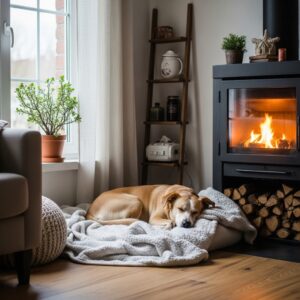
Dogs don’t always cry when they’re cold, so I watch for small signs like:
-
Shivering
-
Curling up tightly
-
Seeking warm spots
-
Whining or restlessness
If I notice these signs, I add warmth right away.
Keeping dogs warm in winter at home doesn’t have to be complicated. I focus on warmth, comfort, and small daily habits that make a big difference.
Every dog is different, so I always pay attention to what my dog likes and needs.
With cozy beds, warm blankets, draft-free rooms, and a little extra love, your dog can enjoy winter just as much as you do.
Also check: 10 Must have products for your dog this winter
FAQs: Keeping Dogs Warm in Winter at Home
1. How cold is too cold for dogs inside the house?
For most dogs, temperatures below 60°F (15°C) can start to feel uncomfortable, especially for small, short-haired, senior, or sick dogs.
I always watch my dog’s behavior—if they’re shivering or seeking warmth, the house may be too cold for them.
2. Do dogs need blankets in winter indoors?
Yes, many dogs enjoy blankets in winter.
I keep soft blankets available so my dog can snuggle when they want. Blankets help trap body heat and make dogs feel safe and comfortable.
3. Should I put clothes on my dog inside the house?
Not all dogs need clothes indoors. I usually use sweaters for small, short-haired, or older dogs.
If your dog seems relaxed and warm without clothing, there’s no need to force it.
4. Is it safe for dogs to sleep near heaters?
I avoid placing my dog directly next to heaters.
While warmth is good, heaters can cause burns or overheating. I keep dog beds a safe distance away and use blankets instead.
5. How can I tell if my dog is cold at home?
I look for signs like:
-
Shivering
-
Curling up tightly
-
Cold ears or paws
-
Seeking warm spots
If I notice these signs, I add warmth right away.
6. Are hardwood and tile floors bad for dogs in winter?
Cold floors can make dogs uncomfortable in winter.
I use rugs, mats, or dog beds to keep my dog off cold surfaces and help them stay warm.
7. Do dogs need more food during winter?
Some dogs burn more calories in cold weather.
I monitor my dog’s weight and energy level and ask my vet before increasing food portions. Fresh water is always important, even in winter.
8. Are senior dogs more sensitive to cold?
Yes, senior dogs feel the cold more than younger dogs.
I give older dogs extra padding, warmer sleeping areas, and shorter exposure to cold temperatures.
9. Can indoor dogs still get cold in winter?
Yes, indoor dogs can still feel cold, especially at night or near drafts.
I make sure my dog has a warm bed, blankets, and a draft-free place to rest.
10. What is the best place for a dog to sleep during winter?
I choose a quiet, warm spot away from doors and windows.
A raised bed with blankets in a cozy room works best for keeping dogs warm in winter at home.