
Snowy days can be fun, but winter also brings a few risks for our dogs.
I’ve learned that keeping dogs safe in the snow isn’t just about staying warm—it’s about protecting their paws, skin, and overall health.
With a little preparation, winter can still be a happy and safe season for your dog.
Here are the winter safety tips I personally follow when there’s snow on the ground.
1. Limit Time Outside in Freezing Weather
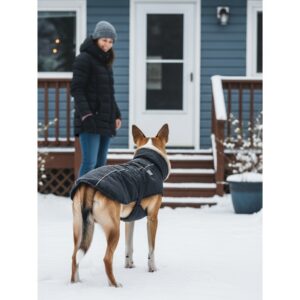
Even dogs that love snow can get too cold.
I keep outdoor time shorter during freezing temperatures, especially on very cold or windy days.
If my dog starts:
-
Shivering
-
Lifting paws off the ground
-
Whining or slowing down
I take that as a sign it’s time to head back inside.
2. Protect Your Dog’s Paws From Snow and Ice
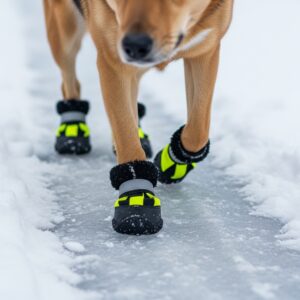
Snow, ice, and road salt can hurt a dog’s paws.
I always check paws after every winter walk.
What helps:
-
Dog booties for snow walks
-
Wiping paws with a warm towel
-
Using paw balm to prevent cracking
Salt and ice melt chemicals can burn paws, so cleaning them off is very important.
3. Dress Your Dog for Snowy Weather
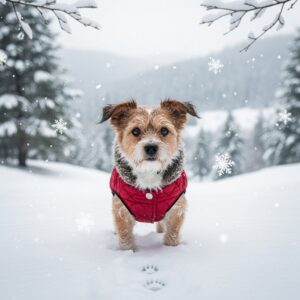
Not all dogs need clothes, but some really do. I use winter jackets or sweaters for:
-
Small dogs
-
Short-haired breeds
-
Puppies
-
Senior dogs
The clothing should be warm, lightweight, and allow easy movement.
4. Watch Out for Ice and Slippery Surfaces
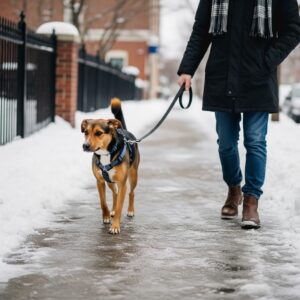
I’m extra careful around icy sidewalks, stairs, and frozen puddles. Dogs can slip just like we do.
I:
-
Walk slowly
-
Avoid icy paths
-
Keep my dog on a leash
Falls can cause injuries, especially in older dogs.
5. Keep Dogs Away From Antifreeze
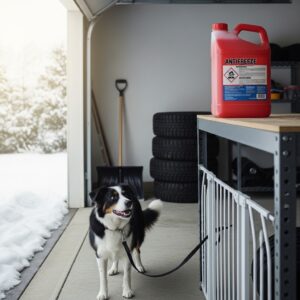
Antifreeze is extremely dangerous for dogs, even in small amounts. I always clean up spills and keep containers locked away.
If you think your dog licked antifreeze, contact a vet immediately—this is an emergency.
6. Don’t Let Dogs Eat Snow
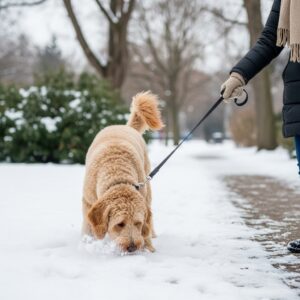
I never let my dog eat snow. Snow can contain:
-
Salt
-
Chemicals
-
Bacteria
Eating snow can upset your dog’s stomach or cause illness. I always bring fresh water on longer walks.
7. Wipe and Dry Your Dog After Snow Walks

After every snowy walk, I dry my dog completely—especially the belly, paws, and ears.
This helps:
-
Prevent chills
-
Avoid skin irritation
-
Stop snow from clumping in fur
For long-haired dogs, trimming fur around paws also helps.
8. Keep Identification Up to Date
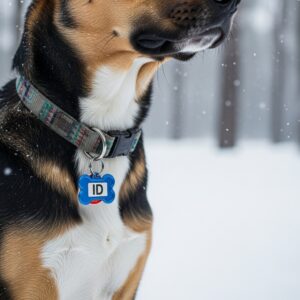
Snowstorms can make dogs panic and run off. I make sure my dog always wears:
-
A collar with ID tags
-
A microchip with updated info
This gives me peace of mind during winter walks.
9. Watch for Signs of Hypothermia and Frostbite

I keep an eye out for warning signs like:
-
Extreme shivering
-
Weakness
-
Pale or cold skin
-
Lethargy
If I notice these signs, I warm my dog slowly and contact a vet right away.
10. Keep Your Dog Active Safely in Winter
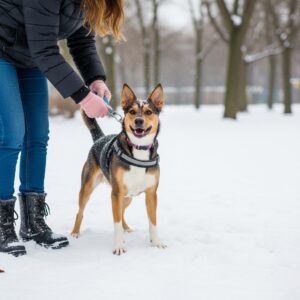
Winter doesn’t mean no exercise. I mix outdoor walks with indoor play to keep my dog healthy and safe.
Good winter activities:
-
Short snow walks
-
Indoor games
-
Training sessions
This keeps dogs warm, active, and happy all season long.
Snowy weather can be fun for dogs, but safety always comes first.
I focus on warmth, paw protection, and paying attention to my dog’s behavior.
When I do that, winter becomes a safe and enjoyable time for both of us.
FAQs: Winter Safety Tips for Dogs in Snow
1. Is it safe for dogs to walk in the snow?
Yes, most dogs can walk in the snow for short periods.
I keep walks shorter during very cold weather and always watch my dog for signs like shivering or lifting their paws.
2. Do dogs need boots in the snow?
Not all dogs need boots, but I use them when there’s ice, salt, or extreme cold.
Boots help protect paws from cracking, burns, and slipping.
3. Can snow hurt a dog’s paws?
Yes. Snow, ice, and road salt can cause dryness, cuts, and irritation.
I always wipe my dog’s paws after winter walks and use paw balm when needed.
4. Should dogs wear coats in snowy weather?
Some dogs benefit from coats, especially small, short-haired, senior, or thin dogs.
I choose coats that are warm, waterproof, and comfortable.
5. Is antifreeze dangerous for dogs?
Yes, antifreeze is extremely toxic to dogs, even in small amounts.
I keep it locked away and clean up spills immediately. If a dog ingests it, it’s an emergency.
6. Why shouldn’t dogs eat snow?
I don’t let my dog eat snow because it can contain salt, chemicals, or bacteria.
Eating snow can also upset a dog’s stomach.
7. How do I warm my dog after being in the snow?
I dry my dog with a towel, especially the paws and belly, and let them rest in a warm, draft-free area.
I avoid hot water or heaters and warm them slowly.
8. What are signs of hypothermia in dogs?
I watch for signs like intense shivering, weakness, lethargy, or pale gums.
If I notice these, I bring my dog inside and contact a vet right away.
9. Can dogs get frostbite in snow?
Yes, frostbite can affect ears, tails, and paws.
I limit outdoor time in freezing weather and check these areas after snow exposure.
10. How can I keep my dog active during snowy days?
I mix short outdoor walks with indoor play, training games, and puzzle toys.
This keeps my dog active without risking cold-related problems.