
When it comes to caring for our dogs, we often focus on nutrition, exercise, and grooming—but how often do we really think about dental health? I’ll admit, I didn’t always realize how important my dog’s teeth were until I learned that dental disease is one of the most common health issues in dogs.
So I started asking myself: If I take care of my own teeth every day, shouldn’t I do the same for my dog?
Proper dental care doesn’t just prevent bad breath—it supports overall health, comfort, and longevity.
Here are nine effective ways to care for your dog’s teeth that I personally try to stay consistent with.
1. Brush Your Dog’s Teeth Regularly
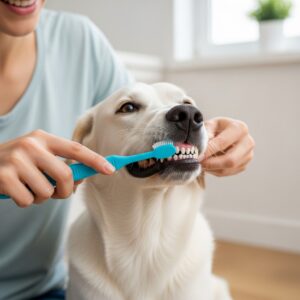
Brushing is the most effective way to prevent plaque and tartar buildup.
I aim to brush my dog’s teeth at least a few times a week, using a dog-specific toothbrush and toothpaste.
Human toothpaste is not safe for dogs, so I always choose a veterinary-approved option. It may take patience at first, but with positive reinforcement, most dogs adapt surprisingly well.
You can also check Amazon for this toothpaste and toothbrush that I personally use for my dog.
2. Use Dental Chews and Treats

Dental chews are a helpful addition to my dog’s routine.
They’re designed to reduce plaque while satisfying the natural urge to chew.
I look for treats approved by veterinary dental associations and make sure they are the right size for my dog.
Are they a replacement for brushing? No—but they certainly help.
You can checkout on Amazon for some best Dental chews for dogs.
3. Provide Chew Toys That Support Oral Health

Not all chew toys are created equal. I choose durable, non-toxic chew toys that help scrape plaque off the teeth without damaging them.
If a toy is too hard, it can actually crack teeth, so I always test it first. A good rule I follow: if I can’t slightly indent it with my fingernail, it’s too hard.
4. Schedule Regular Veterinary Dental Checkups
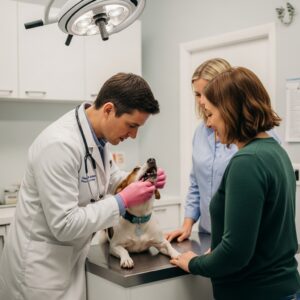
Even with good at-home care, professional dental exams are essential.
During routine vet visits, I ask for a dental evaluation to catch early signs of gum disease.
In some cases, a professional cleaning under anesthesia may be recommended—and while it sounds intimidating, it can prevent much more serious issues later.
5. Feed a Dental-Friendly Diet

Diet plays a bigger role in dental health than many people realize.
I opt for high-quality kibble or vet-recommended dental diets that help reduce plaque buildup.
Sticky or sugary foods can contribute to dental problems, so I avoid feeding anything that could cling to my dog’s teeth.
6. Use Dental Water Additives or Sprays
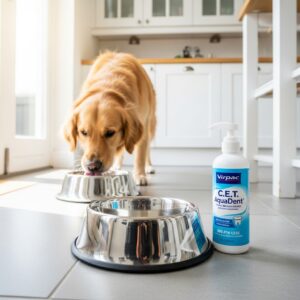
Dental water additives are an easy way to support oral health, especially for dogs who resist brushing.
I simply add the recommended amount to my dog’s water bowl.
These products help reduce bacteria and freshen breath, making them a convenient supplement to regular dental care.
7. Check Your Dog’s Mouth at Home
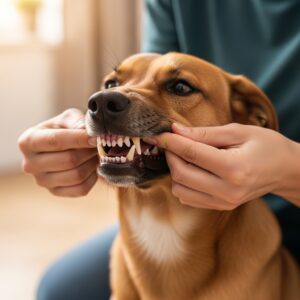
I make it a habit to gently inspect my dog’s teeth and gums at home.
Are the gums red or swollen? Is there visible tartar buildup or a strong odor?
Catching problems early makes treatment easier—and less stressful—for both of us.
8. Start Dental Care Early
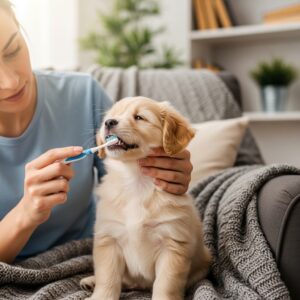
If there’s one thing I wish I had done sooner, it’s starting dental care early.
Puppies who are introduced to tooth brushing early tend to accept it more easily as adults.
That said, it’s never too late to begin. With patience and consistency, even older dogs can learn to tolerate dental routines.
9. Pay Attention to Warning Signs

Bad breath, drooling, difficulty chewing, or pawing at the mouth are signs I never ignore. These symptoms often indicate dental disease or infection.
When I notice anything unusual, I contact my vet promptly. After all, dental pain is still pain—and our dogs deserve comfort.
Also check: 11 Signs you should take your dog to the vet
Learning these 9 ways to care for your dog’s teeth changed how I approach my dog’s overall health. Dental care isn’t just about clean teeth—it’s about preventing disease, discomfort, and unnecessary vet visits.
So I ask myself regularly: Am I doing enough to protect my dog’s smile? With a little daily effort, the answer can confidently be yes. 🐾
Frequently Asked Questions (FAQs)
How often should I brush my dog’s teeth?
I try to brush my dog’s teeth at least two to three times a week, although daily brushing is ideal.
Consistency matters more than perfection, and even brushing a few times a week can significantly reduce plaque buildup.
Can I use human toothpaste on my dog?
No, I never use human toothpaste on my dog. Many human toothpastes contain ingredients like xylitol, which can be toxic to dogs.
I always choose toothpaste specifically formulated for pets.
Are dental chews enough to keep my dog’s teeth clean?
Dental chews are helpful, but I don’t rely on them alone.
They work best as a supplement to brushing, not a replacement. Combining chews with regular brushing provides much better dental protection.
What are the signs of dental disease in dogs?
Some common signs I watch for include bad breath, red or bleeding gums, tartar buildup, drooling, and difficulty chewing.
If I notice any of these symptoms, I schedule a vet visit as soon as possible.
How often should my dog have a professional dental cleaning?
In my experience, most dogs benefit from a professional dental cleaning every one to two years, depending on their age, breed, and dental health.
My vet helps determine the right schedule during routine checkups.
Do puppies need dental care too?
Yes, absolutely. I believe starting dental care early makes a big difference.
Getting puppies comfortable with mouth handling and brushing helps prevent dental issues later in life.
Can poor dental health affect my dog’s overall health?
Yes, and this surprised me when I first learned it. Dental disease can allow bacteria to enter the bloodstream, potentially affecting the heart, liver, and kidneys.
That’s why I treat dental care as part of overall health care.
What if my dog refuses tooth brushing?
If brushing is a struggle, I start slowly and use positive reinforcement.
I also use dental wipes, water additives, and vet-approved dental chews as alternatives while gradually working toward brushing.
Is bad breath in dogs always a problem?
Occasional mild odor can happen, but persistent bad breath is not normal.
When my dog’s breath smells consistently unpleasant, I consider it a warning sign and investigate further with my vet.

