
As dog owners, we all want the absolute best for our furry companions.
We buy the cutest toys, the comfiest beds, and the tastiest treats—yet even with the best intentions, many of us unknowingly make small dog care mistakes that can affect our dog’s health, behavior, and happiness over time.
The truth is, loving your dog doesn’t automatically mean you’re doing everything right—and that’s okay.
I’m sharing 7 common dog care mistakes even loving owners make, along with simple ways to fix them so your pup can live a healthier, happier life by your side.
1. Overfeeding and Too Many Treats

One of the most common dog care mistakes is overfeeding, especially when treats are involved.
It’s incredibly tempting to reward our dogs with snacks, table scraps, or extra portions because we associate food with love.
Unfortunately, this can quickly lead to weight gain, joint problems, and even serious health issues like diabetes.
Many owners don’t realize that treats should make up no more than 10% of a dog’s daily calorie intake.
Even “healthy” treats can add up fast if given too often.
Measuring meals, sticking to a feeding schedule, and choosing low-calorie treats can make a huge difference in your dog’s long-term health.
Also check: 14 Healthy dog treats homemade with banana
2. Skipping Regular Vet Checkups

Another mistake loving dog owners often make is only visiting the vet when something seems wrong.
Dogs are incredibly good at hiding pain or discomfort, which means health issues can go unnoticed until they become serious.
Routine vet checkups help catch problems early, keep vaccinations up to date, and ensure your dog is growing and aging properly.
Preventive care is usually far less stressful—and less expensive—than treating advanced illnesses.
Even if your dog appears perfectly healthy, regular vet visits are essential for responsible dog care.
3. Not Providing Enough Mental Stimulation

Physical exercise is important, but mental stimulation is just as crucial—and it’s something many dog owners unintentionally overlook.
Dogs that aren’t mentally challenged can become bored, anxious, or destructive, even if they get daily walks.
Mental stimulation can be as simple as puzzle toys, training sessions, scent games, or rotating toys to keep things interesting.
Engaging your dog’s mind helps reduce behavioral issues and strengthens the bond between you and your pup.
Also check: 9 Ways to Care for Your Dog’s Teeth
4. Inconsistent Training and Boundaries

Inconsistent training is a surprisingly common dog care mistake.
Letting your dog jump on guests “sometimes,” allowing begging at the table occasionally, or changing rules depending on your mood can confuse your dog and lead to unwanted behaviors.
Dogs thrive on consistency and clear boundaries.
When everyone in the household follows the same rules and uses the same commands, dogs learn faster and feel more secure.
Consistent training isn’t about being strict—it’s about creating a predictable environment your dog can trust.
5. Using the Wrong Grooming Products or Skipping Grooming Altogether
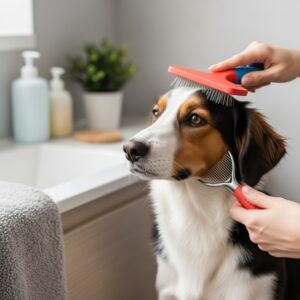
Grooming isn’t just about keeping your dog looking cute—it plays a big role in their overall health.
Some owners skip grooming because their dog “doesn’t shed much,” while others use human shampoos that can irritate a dog’s skin.
Regular grooming helps prevent matting, skin infections, nail problems, and ear issues.
Using dog-specific grooming products and maintaining a routine suited to your dog’s breed and coat type can prevent many common health problems before they start.
6. Ignoring Dental Care

Dental care is one of the most overlooked aspects of dog care.
Many owners assume bad breath is normal, but it’s often a sign of dental disease.
Without proper dental hygiene, dogs can develop painful infections that affect not only their mouth but also their heart and organs.
Brushing your dog’s teeth, providing dental chews, and scheduling professional cleanings when recommended can significantly improve your dog’s quality of life.
Healthy teeth mean a happier, more comfortable dog.
7. Not Adjusting Care as Your Dog Ages

Dogs’ needs change as they grow older, yet many loving owners continue treating senior dogs the same way they did when they were puppies.
Aging dogs often require different diets, gentler exercise routines, joint support, and more frequent vet visits.
Failing to adapt your dog’s care to their life stage can lead to discomfort and health issues.
Paying attention to changes in energy levels, mobility, and behavior allows you to adjust their care and keep them comfortable in their golden years.
Making dog care mistakes doesn’t mean you’re a bad owner—it means you’re human. The good news is that once you’re aware of these common issues, they’re usually easy to fix.
By making small, thoughtful changes, you can dramatically improve your dog’s health, behavior, and overall happiness.
At the end of the day, the best dog care comes from learning, adapting, and always putting your dog’s well-being first.
Your pup may not be able to say thank you—but you’ll see it in their wagging tail, bright eyes, and unconditional love. 🐾

