
Just like us, dogs can feel overwhelmed, anxious, and stressed—especially in busy households.
Loud noises, lack of routine, unfamiliar guests, or even small changes in the home can trigger anxiety in dogs.
As a dog owner, I’ve learned that creating a calm, stress-free environment at home doesn’t require expensive products or major renovations.
It’s really about understanding your dog’s needs and making thoughtful adjustments to their daily life.
I’ll share practical and gentle ways you can help your dog feel safe, relaxed, and emotionally secure at home.
1. Establish a Predictable Daily Routine
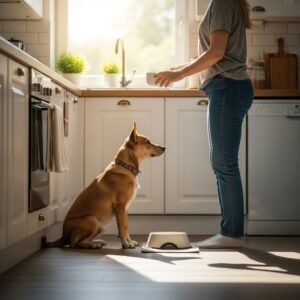
Dogs thrive on routine because it helps them understand what to expect each day.
Feeding, walking, playtime, and bedtime should happen around the same time every day.
When routines are unpredictable, dogs may feel anxious or unsettled.
A consistent schedule gives your dog a sense of stability and control.
Even small routines—like a quiet cuddle before bed or a short walk after meals—can make your dog feel more relaxed and confident in their environment.
2. Create a Quiet, Safe Space Just for Your Dog
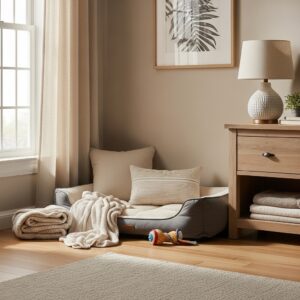
Every dog needs a calm retreat where they can relax without being disturbed.
This could be a crate, a cozy corner, or a dog bed placed away from high-traffic areas of the house.
The key is making it a place your dog associates with comfort and safety.
I like to add soft bedding, a favorite toy, and sometimes a worn piece of clothing that smells like me.
This space becomes especially important during loud events like thunderstorms, fireworks, or when guests are visiting.
3. Control Noise and Household Chaos

Excessive noise is one of the biggest stress triggers for dogs. Televisions, loud music, shouting, and constant movement can all contribute to anxiety.
While it’s not realistic to keep your home silent, being mindful of noise levels makes a huge difference.
Soft background sounds like calming music, white noise, or nature sounds can help drown out sudden noises and create a soothing atmosphere.
Keeping household chaos to a minimum helps your dog relax and feel at ease.
4. Use Calming Scents and Natural Comforts
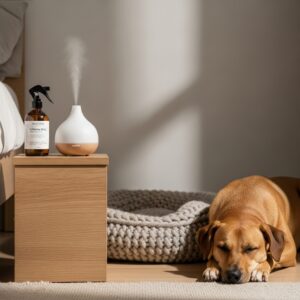
Dogs have an incredibly strong sense of smell, and certain scents can promote relaxation.
Lavender and chamomile are commonly known for their calming properties, but they should always be used safely and sparingly around pets.
Using dog-safe calming sprays, pheromone diffusers, or lightly scented bedding can help reduce stress.
Always make sure your dog can move away if they don’t like a scent—choice and control are important for a stress-free environment.
5. Provide Enough Physical and Mental Exercise
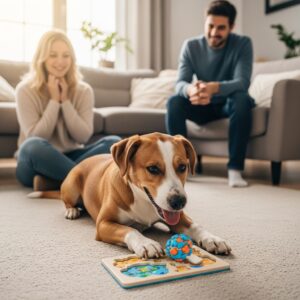
A calm dog is often a well-exercised dog. Without enough physical activity and mental stimulation, dogs may become restless, anxious, or destructive.
Daily walks, play sessions, and training activities help burn off excess energy and reduce stress.
Mental stimulation is just as important as physical exercise.
Puzzle toys, scent games, and short training sessions challenge your dog’s mind and help them feel satisfied and relaxed afterward.
6. Maintain a Calm Energy Yourself
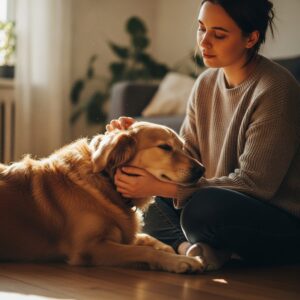
Dogs are incredibly sensitive to our emotions. If we’re stressed, rushed, or frustrated, our dogs often pick up on it.
Speaking calmly, moving slowly, and maintaining a relaxed tone at home can help your dog feel more secure.
I’ve noticed that when I stay calm during stressful moments—like loud noises or unexpected guests—my dog is far more likely to remain relaxed too.
Your energy sets the tone for your home.
7. Keep Their Environment Clean and Comfortable

A clean, organized space contributes to your dog’s comfort and overall well-being.
Regularly washing dog beds, blankets, and toys helps remove odors and allergens that may cause discomfort.
Make sure your dog has easy access to fresh water, comfortable sleeping areas, and a temperature that suits their breed and coat type.
Small details like proper lighting and soft textures can have a surprisingly big impact on how relaxed your dog feels.
8. Introduce Changes Slowly and Gently
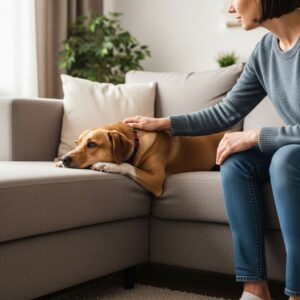
Dogs often struggle with sudden changes, whether it’s new furniture, a new family member, or a change in schedule. Whenever possible, introduce changes gradually and allow your dog time to adjust.
Positive reinforcement, patience, and reassurance go a long way in helping your dog feel safe during transitions. A calm home is one where your dog feels supported, even when things change.
Creating a calm, stress-free environment for your dog at home is one of the greatest gifts you can give them.
It strengthens your bond, improves behavior, and supports their emotional and physical health.
By focusing on routine, comfort, gentle energy, and understanding your dog’s signals, you can turn your home into a peaceful sanctuary your dog truly loves.
A relaxed dog isn’t just happier—it’s healthier too. 🐾

