
Winter can be tough on our dogs, especially when temperatures drop, snow piles up, and the air gets dry.
I’ve learned that cold weather doesn’t mean less care—it actually means being a little more intentional.
These 9 winter dog care tips will help keep your dog warm, healthy, and comfortable all season long.
1. Keep Your Dog Warm Indoors

Even though dogs have fur, many still feel the cold inside the house during winter.
I like to give my dog extra blankets and move their bed away from cold floors or drafty windows.
If your home has tile or hardwood floors, placing rugs helps keep their resting areas warmer.
Small changes indoors can make a big difference.
2. Dress Your Dog for Outdoor Walks
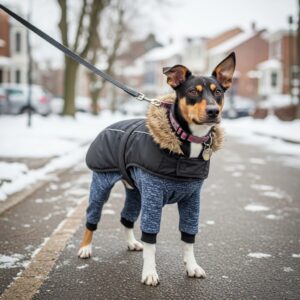
Some dogs, especially small breeds, short-haired dogs, and seniors, need extra warmth outside.
A well-fitted dog sweater or winter coat helps trap body heat during walks.
I always make sure the clothing is dry and comfortable, not too tight.
If your dog shivers, it’s a clear sign they need extra layers.
3. Protect Paws from Snow and Ice
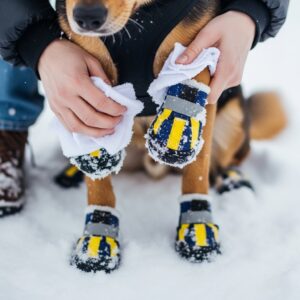
Cold pavement, ice, and road salt can be harsh on dog paws.
I’ve noticed cracked pads can happen quickly in winter.
Using dog booties or paw balm helps protect their feet from dryness and chemicals.
After walks, I wipe my dog’s paws to remove salt and ice.
4. Adjust Bathing and Grooming

Bathing too often in winter can dry out your dog’s skin.
I space baths out more and use a moisturizing dog shampoo when needed.
Regular brushing is still important because it removes dead hair and helps distribute natural oils.
Keeping fur clean and tangle-free helps maintain warmth.
5. Maintain a Healthy Winter Diet

Dogs may burn more calories in cold weather, especially if they’re active outdoors.
I pay attention to my dog’s energy levels and adjust food portions if needed.
Fresh water is just as important in winter, even if your dog seems less thirsty.
Always make sure water bowls don’t freeze.
6. Limit Time Outdoors in Extreme Cold
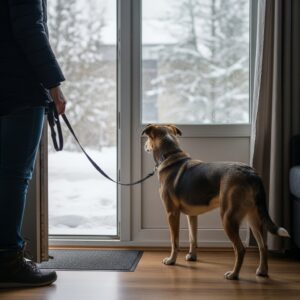
Even dogs that love snow can get too cold if they stay outside too long.
I keep outdoor time shorter when temperatures drop sharply or wind chill is high.
Signs like lifting paws, slowing down, or whining mean it’s time to go back inside.
Warmth and safety should always come first.
7. Keep Your Dog Active Indoors

Cold weather often means fewer long walks, so indoor activities become important.
I use puzzle toys, indoor fetch, and short training sessions to keep my dog mentally and physically active.
This helps prevent boredom and weight gain. A little daily play goes a long way in winter.
8. Watch for Dry Skin and Allergies

Winter air is dry, and that can affect your dog’s skin and coat.
I look out for itching, flaking, or excessive scratching.
Using a humidifier indoors and adding omega-rich foods (like vet-approved supplements) can help.
If skin issues persist, it’s best to check with a vet.
9. Schedule Regular Vet Checkups

Winter can worsen joint pain, arthritis, and existing health conditions.
I pay close attention to any changes in movement or behavior during colder months.
Regular vet visits help catch issues early and keep vaccinations up to date.
Prevention is always easier than treatment.
Winter doesn’t have to be uncomfortable for your dog.
With these 9 winter dog care tips for cold weather, you can help your pup stay warm, healthy, and happy all season long.
A little extra care during winter makes a big difference—and your dog will definitely feel the love.
Frequently Asked Questions (FAQs)
Do dogs really get cold in winter?
Yes, many dogs do get cold in winter, especially small breeds, short-haired dogs, puppies, and senior dogs.
Even indoors, cold floors and drafts can make dogs uncomfortable, so extra warmth is often needed.
How can I tell if my dog is too cold?
Common signs include shivering, lifting paws while walking, curling up tightly, whining, or slowing down on walks.
If you notice these signs, it’s best to warm your dog up right away.
Should dogs wear coats in winter?
Some dogs benefit from winter coats, especially during outdoor walks.
Short-haired breeds, older dogs, and dogs with health issues usually need extra layers to stay warm in cold weather.
Is it safe to walk dogs in snow?
Yes, but precautions are important. Snow, ice, and road salt can irritate paws, so using booties or paw balm helps.
I also keep walks shorter during extreme cold and always wipe paws afterward.
How often should I bathe my dog in winter?
Bathe my dog less often in winter to avoid dry skin.
When baths are needed, using a moisturizing dog shampoo and brushing regularly helps keep their coat healthy.
Do dogs need more food in winter?
Some dogs burn more calories in cold weather, especially if they’re active outdoors. Monitor your dog’s energy levels and body condition and adjust portions if needed, while always providing fresh water.
How can I keep my dog active indoors during winter?
Indoor games like puzzle toys, training sessions, and short playtimes help keep dogs mentally and physically active when outdoor walks are limited.
Can cold weather affect my dog’s skin?
Yes, dry winter air can cause flaky skin and itching.
Using a humidifier indoors, brushing regularly, and adding vet-approved supplements can help improve skin and coat health.
When should I take my dog to the vet during winter?
If you notice stiffness, limping, behavior changes, or ongoing skin problems, it’s best to see a vet.
Winter can worsen joint pain and existing health conditions, so regular checkups are important.