I don’t own a New Guinea Singing Dog myself, but I have a friend who does.
Spending time around this unique dog taught me a lot about their behavior and special needs.
These dogs are unlike any other, so if you’re thinking of getting one, here are 10 things you should know.
1. They Are Extremely Rare
The first thing I noticed is how rare New Guinea Singing Dogs are.
Even in my friend’s area, very few people have one.
This makes them special, but it also means you may need patience to find a breeder or rescue.
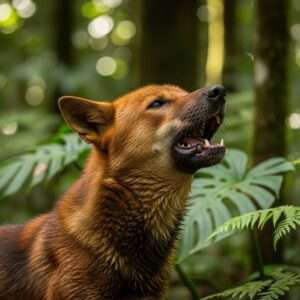
2. They Love to “Sing”
Their signature trait is their howl.
Unlike other dogs, they often make musical sounds that can last several minutes.
I found it fascinating and sometimes a little surprising at night! This “singing” is normal and part of their unique communication.
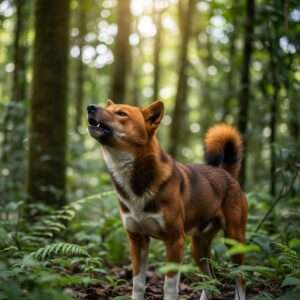
3. They Are Wild at Heart
New Guinea Singing Dogs are very close to wild dogs.
My friend’s dog always keeps alert and shows independence.
They are curious and sometimes cautious around strangers or new situations.
4. They Need a Secure Space
Because of their wild instincts, they need a secure yard or enclosure.
I learned that even a small gap in a fence can be a problem—they are excellent escape artists.
Safety and containment are essential.
5. Socialization Is Crucial

From my experience, early socialization is very important.
My friend exposed the dog to different people, dogs, and environments from a young age.
This helped the dog stay calm and less anxious around others.
6. They Are Intelligent but Independent
These dogs are very smart, but they are also independent thinkers.
My friend sometimes had to be creative with training.
Positive reinforcement works best, but don’t expect them to follow orders blindly—they like to think for themselves.
7. Exercise Is a Must
New Guinea Singing Dogs have lots of energy.
Daily walks, playtime, and mental stimulation are essential.
I noticed that when the dog doesn’t get enough exercise, it becomes restless and can get into mischief.
8. They Are Not Always Affectionate
Unlike typical family dogs, they are not always cuddly.
They enjoy companionship but often on their own terms.
My friend taught me that patience and respect for their personality are key.
Also check: Best winter coats for dogs in snow
9. Grooming Is Simple
One thing I liked is that they don’t need much grooming.
Regular brushing keeps their coat healthy. They shed lightly, so they are easier to maintain than many other breeds.
10. They Require Commitment
Owning a New Guinea Singing Dog is a serious responsibility.
They need space, exercise, training, and socialization.
If you are willing to commit, they are fascinating, intelligent, and unique companions. But they are not for everyone.
Spending time around a New Guinea Singing Dog taught me that they are unlike most dogs.
They are independent, intelligent, and full of energy.
If you are looking for a rare and fascinating companion, they can be rewarding—but only with patience, commitment, and understanding.
1. Are New Guinea Singing Dogs good pets?
They can be, but they are not like regular dogs. They need space, exercise, and patient owners who understand their wild instincts.
2. Why are they called “Singing Dogs”?
They make unique, musical howls that sound like singing. This is their natural way of communicating.
3. Are they rare?
Yes. New Guinea Singing Dogs are very rare, even in the wild. Finding a breeder or rescue can be difficult.
4. Do they get along with other dogs?
They can, especially if socialized from a young age. But their wild nature means they may be cautious around unfamiliar dogs.
5. How much exercise do they need?
A lot! They need daily walks, playtime, and mental stimulation to stay happy and healthy.
6. Are they affectionate?
Sometimes. They enjoy companionship but are often independent and may not seek constant attention.
7. Do they require a lot of grooming?
No. Their coat is low-maintenance. Regular brushing is usually enough to keep them healthy and clean.
8. Can they escape from the yard?
Yes. They are excellent escape artists. A secure, fenced area is necessary to keep them safe.
9. Are they good for families with children?
They can be, but supervision is important. They may not be as naturally gentle or cuddly as typical family dogs.
10. How long do they live?
On average, 12–14 years with proper care, exercise, and a healthy diet.