
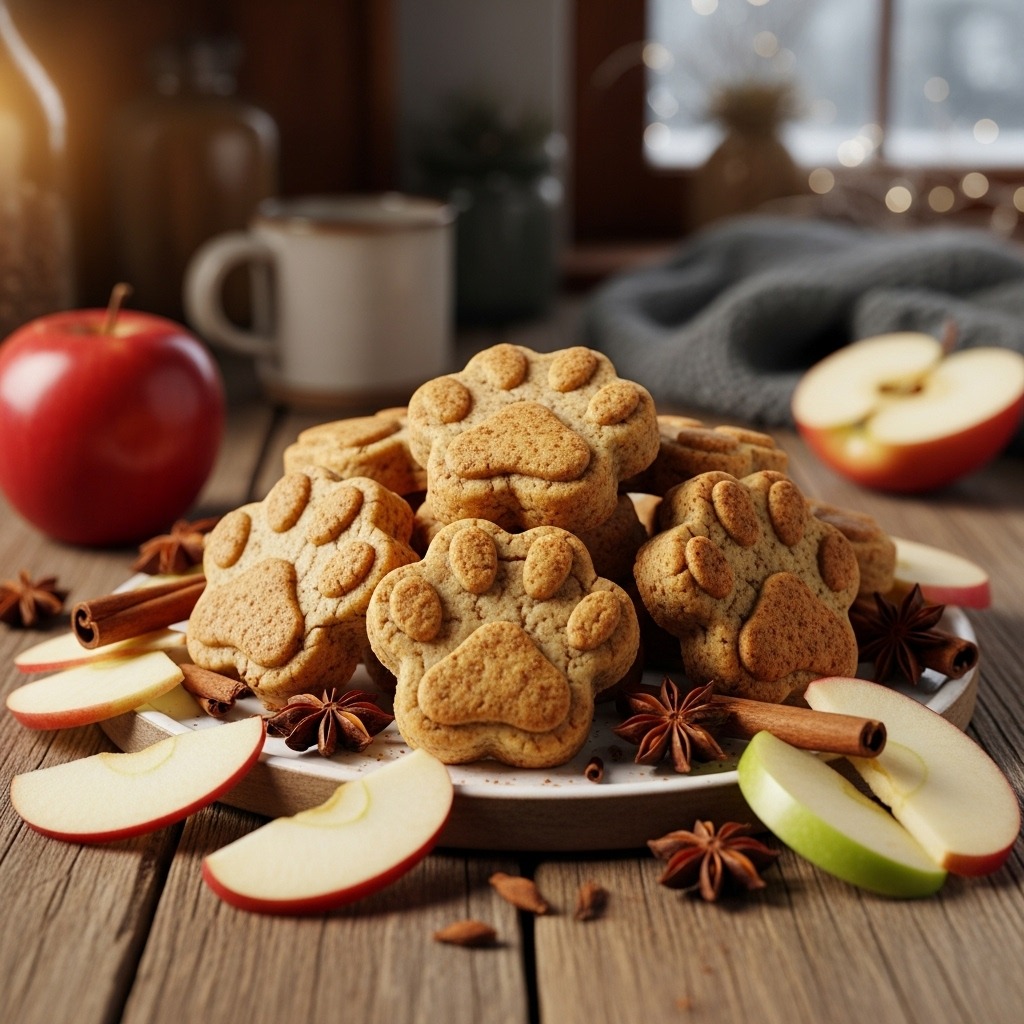
15 Winter Dog Treats Homemade Ideas to Keep Your Pup Happy & Healthy
As an Amazon affiliate, I earn a commission on qualifying purchases at no extra cost to you.
When winter rolls in, I always find myself spending more time indoors with my dog—and that’s when homemade treats become extra special.
Cold weather can be tough on our dogs’ joints, skin, and energy levels, so making winter-friendly dog treats at home is a simple way to show them extra love.
These homemade winter dog treat ideas use wholesome ingredients, are easy to prepare, and are perfect for cozy days inside.
Below are 15 homemade winter dog treats that I personally love making during the colder months.
1. Peanut Butter & Oat Dog Biscuits

Peanut butter and oats are a classic combo for a reason.
Oats provide fiber that helps with digestion, while peanut butter adds healthy fats that support your dog’s skin and coat during dry winter months.
I usually bake these into crunchy biscuits, which are great for dogs who love a good chew and help keep teeth clean.
2. Pumpkin & Coconut Oil Treat Bites

Pumpkin is one of my go-to winter ingredients because it’s gentle on the stomach and rich in fiber.
Coconut oil adds healthy fats that can help with itchy, flaky skin caused by cold weather.
These no-bake bites are quick to make and perfect for dogs with sensitive digestion.
3. Sweet Potato Chew Strips

Sweet potatoes are packed with vitamins A and C, making them an excellent immune-boosting treat in winter.
I slice them thin and bake them slowly until chewy.
These treats last longer than soft snacks, keeping dogs busy on cold days when outdoor playtime is limited.
4. Apple & Cinnamon Dog Cookies

Apples add natural sweetness and fiber, while a tiny pinch of cinnamon gives these cookies a warm, wintery flavor.
Cinnamon may also support circulation, which can be helpful during colder months.
I always make sure to remove apple seeds and keep the cinnamon amount very small and dog-safe.
5. Banana & Oat Soft Treats

Bananas are full of potassium and natural sugars, making them a great energy boost in winter.
When combined with oats, these treats turn soft and chewy—perfect for senior dogs or puppies.
I like these as training treats because they’re gentle on the teeth.
6. Chicken & Rice Dog Treat Cubes

This simple recipe is ideal for dogs with sensitive stomachs.
Chicken provides protein to maintain muscle, while rice is easy to digest and comforting in cold weather.
These treats are especially helpful after a long winter walk when your dog needs something filling but gentle.
Also check: 14 Healthy breakfast ideas for dogs
7. Carrot & Apple Baked Bites

Carrots bring crunch, fiber, and beta-carotene, while apples add a touch of sweetness.
These baked bites are low in fat, making them a great everyday winter snack.
I love this option when my dog wants treats but doesn’t need extra calories.
8. Peanut Butter & Banana Frozen Treats (Indoor-Friendly)

Even in winter, some dogs love cold treats—especially after indoor playtime.
Peanut butter and banana blend together beautifully, creating a creamy snack that’s full of energy.
I offer these in small portions so they’re refreshing but not too cold.
9. Beef & Vegetable Dog Treat Squares

These hearty treats are perfect for active dogs who burn more calories staying warm in winter.
Ground beef provides protein and iron, while veggies like carrots or peas add fiber and vitamins.
I bake them into small squares that are easy to portion.
10. Pumpkin & Oat Soft Cookies

These treats are especially good for older dogs or dogs with dental issues.
Pumpkin supports digestion, and oats add slow-release energy.
I make them soft so they’re easy to chew, especially during winter when dogs may feel a bit stiffer.
11. Turkey & Cranberry Dog Treats

Turkey is a lean protein, and cranberries provide antioxidants that support urinary health.
These treats feel extra festive and are great around the holiday season.
I keep the cranberry amount small to avoid too much tartness.
12. Yogurt & Blueberry Winter Bites

Plain yogurt offers probiotics for gut health, while blueberries are full of antioxidants.
These treats support immunity during cold and flu season—for dogs too.
I usually freeze them lightly so they’re firm but not icy.
13. Pumpkin & Peanut Butter Dog Bones

This combo is both nutritious and comforting.
Pumpkin helps digestion, while peanut butter adds healthy fats and flavor.
Shaped into bone molds, these treats make winter snack time feel extra special.
14. Oat & Honey Dog Cookies

A small amount of honey can help soothe sore throats and provides natural sweetness.
Combined with oats, these cookies are filling and gentle on the stomach.
I love giving these after a chilly walk as a cozy reward.
15. Salmon & Sweet Potato Dog Treats

Salmon is rich in omega-3 fatty acids, which support joint health and keep coats shiny during dry winter months.
Sweet potato adds fiber and vitamins.
These treats are especially great for dogs with joint stiffness or dull coats in winter.
Making homemade winter dog treats is one of my favorite ways to care for my dog during the colder months.
Not only do I know exactly what goes into each treat, but I can also tailor recipes to my dog’s needs—whether that’s joint support, skin health, or extra energy.
Always introduce new treats slowly and check with your vet if your dog has allergies or health conditions.
FAQs: Homemade Winter Dog Treats
1. Are homemade dog treats safe for winter?
Yes, homemade dog treats are safe for winter as long as you use dog-friendly ingredients.
I always avoid harmful foods like chocolate, xylitol, grapes, raisins, onions, and excessive salt.
Homemade treats are actually great in winter because I can include ingredients that support joints, skin, and immunity.
2. What ingredients are best for winter dog treats?
Some of the best winter-friendly ingredients include pumpkin, sweet potatoes, oats, peanut butter (xylitol-free), salmon, chicken, yogurt, and coconut oil.
These ingredients help with digestion, joint health, and dry skin, which are common winter issues for dogs.
3. Can I give my dog warm homemade treats in winter?
Yes, I sometimes give my dog slightly warm treats, especially baked ones, during cold weather.
Just make sure the treats are cooled enough to avoid burning your dog’s mouth.
Warm treats can feel comforting after a cold walk.
4. How often should I give homemade treats in winter?
Even healthy homemade treats should be given in moderation.
I usually treat them as snacks or rewards and make sure treats don’t exceed 10% of my dog’s daily calorie intake.
This helps prevent unwanted weight gain during less active winter months.
5. Are homemade winter dog treats good for joint health?
Absolutely. Treats made with salmon, coconut oil, pumpkin, and sweet potatoes contain nutrients that support joint health and reduce inflammation.
These are especially helpful for senior dogs or large breeds during cold weather.
6. Can puppies eat homemade winter dog treats?
Yes, puppies can enjoy homemade treats, but I make them softer and smaller.
Simple ingredients like oats, pumpkin, banana, and yogurt work well for puppies.
Always introduce new treats slowly and avoid overfeeding.
7. How should I store homemade dog treats?
Most baked treats can be stored in an airtight container at room temperature for 3–5 days.
Refrigerated treats last about a week, while frozen treats can last up to 2–3 months. I always label my treats with the date to keep them fresh.
8. Can I freeze homemade dog treats?
Yes, freezing is a great option, especially for treats made with pumpkin, yogurt, or meat.
I freeze them in small portions so I can easily grab a few at a time without thawing the whole batch.
9. Are grain-free winter dog treats better?
Not always. Many dogs digest grains like oats and rice very well, and they provide energy and fiber in winter.
Grain-free treats are only necessary if your dog has a grain allergy or sensitivity recommended by your vet.
10. What treats are best for dogs with sensitive stomachs?
For sensitive stomachs, I stick to simple recipes using pumpkin, rice, chicken, oats, or sweet potato.
Avoid using too many ingredients at once and introduce new treats gradually to prevent tummy upset.